
Service
Eye Health Screenings & Diabetic Eye Exams
Overview
Annual eye-health screenings and dedicated diabetic eye exams that go beyond a vision check, so we can catch diabetic retinopathy, glaucoma, macular degeneration, cataracts, and dry eye disease early, while they're still easy to manage.
Most vision-threatening diseases start quietly. Diabetic retinopathy, glaucoma, and early macular changes rarely cause symptoms you'd notice on your own, and by the time they do, some of the damage is already permanent. An annual eye-health screening is the single best way to stay ahead of that.
Diabetes is the leading cause of preventable blindness in working-age adults, so diabetic eye care is a core part of what we do. Every patient at The Eye Guy receives digital retinal imaging, and patients with diabetes get a dedicated diabetic eye exam with a detailed look at the retina, macula, and blood vessels each year.
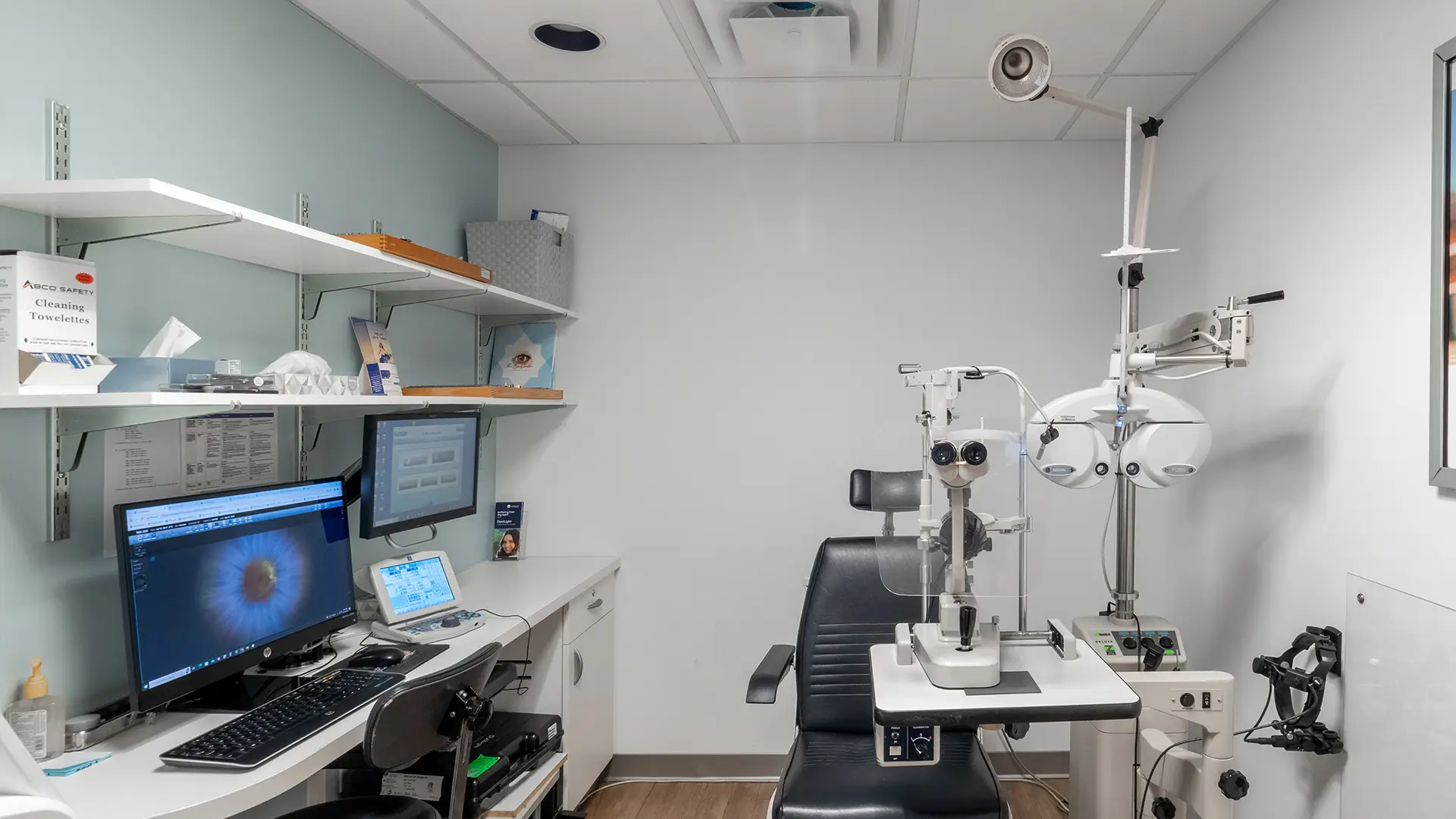
Dr. Jake walks you through your images on the screen, in plain language. If something needs attention, we coordinate directly with your primary care provider or endocrinologist and, when needed, refer you to a trusted specialist. You leave knowing exactly what we saw and what happens next.
Time to plan
Screenings are typically bundled into your annual comprehensive exam (about 45 to 60 minutes total). Dedicated diabetic eye exams and follow-up screenings run 20 to 30 minutes.
Insurance & pricing
We currently accept Blue Cross Blue Shield, Allegiance, Montana Medicaid, and Healthy Montana Kids. Diabetic eye exams and medical screenings are usually billed to your medical insurance rather than vision, and we verify coverage before your visit.
What to expect
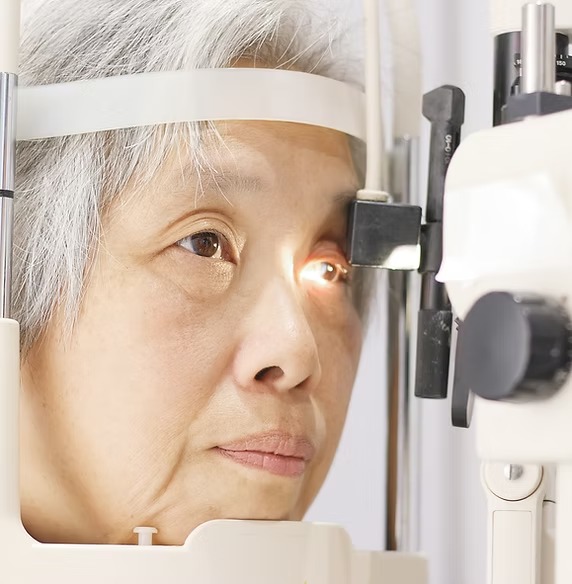
- Dedicated diabetic eye exam with digital retinal imaging
- Diabetic retinopathy and macular edema screening
- Intraocular pressure (IOP) measurement for glaucoma risk
- Optic nerve and macula documentation on retinal photos
- Dilated fundus exam when the retinal images suggest a closer look
- Amsler grid and macular assessment for age-related changes
- Anterior segment evaluation for cataract progression
- Dry eye evaluation with tear-film assessment

Benefits
- Annual diabetic eye exams that catch diabetic retinopathy and macular edema early
- Direct communication with your diabetes care team, PCP, or endocrinologist
- Catches glaucoma before it damages peripheral vision
- Documents macular and retinal changes year over year
- Flags cataract progression early, so surgery timing stays on your terms
- Peace of mind if diabetes, high blood pressure, or family history runs in your life
How it works
- 1
Risk review
We go through your personal and family history, diabetes status, blood pressure, medications, and any recent changes in vision to focus the visit.
- 2
Retinal imaging & pressures
Digital retinal photos and eye-pressure readings give us objective, year-over-year data on the optic nerve, macula, and blood vessels.
- 3
Clinical exam
Dr. Jake examines the front and back of the eye in detail, with extra attention to the retina for patients with diabetes or family history of eye disease.
- 4
Plan, report & referral
You leave with a plain-language summary. When needed, we send a report to your PCP or endocrinologist and coordinate a specialist referral.
How to prepare
- Bring your most recent A1C or a note from your diabetes care team if you have one
- List any family history of glaucoma, macular degeneration, or diabetes
- Bring a current medication list, including insulin and eye drops
- Note any changes in vision, blurred spots, flashes, or floaters
- Bring sunglasses in case Dr. Jake recommends dilation
Who it's for
Recommended annually for every adult, and especially important if you have diabetes, prediabetes, high blood pressure, or a family history of glaucoma or macular degeneration. Diabetic patients should have a diabetic eye exam every year, even without visual symptoms.
Frequently asked questions
How often should I have an eye-health screening?
Annually for every adult. If you have diabetes, prediabetes, high blood pressure, or a family history of glaucoma or macular disease, an annual visit is essential, even if your vision feels fine.
How often should a person with diabetes have an eye exam?
Every year. A dedicated diabetic eye exam with retinal imaging is the standard of care for anyone with type 1, type 2, or gestational diabetes, and it's often required by your diabetes care team.
Is an eye-health screening the same as a vision test?
No. A vision test measures how clearly you see. A health screening looks at the structures, pressures, and blood vessels inside your eye to catch silent diseases like glaucoma and diabetic retinopathy.
Do you coordinate with my primary care or endocrinologist?
Yes. With your permission, we send a report of your diabetic eye exam directly to your PCP or endocrinologist so your diabetes team has your retinal findings on file.
Does the exam hurt?
No. Everything we do is drops, air puffs, or non-contact imaging. The brightest light is the trickiest part.
Will my medical insurance cover it?
If we're screening for a diagnosis like diabetes follow-up, glaucoma suspect, or macular changes, medical insurance usually covers it. We verify coverage before your visit.
Related services
Patients booking eye health screenings & diabetic eye exams often pair it with these visits.
Service areas
Patients travel from across north-central Montana for eye health screenings & diabetic eye exams with Dr. Jake at The Eye Guy. We serve these communities from our Great Falls and Conrad offices:
- Great Falls
- Conrad
- Black Eagle
- Sun Prairie
- Vaughn
- Cascade
- Belt
- Fort Benton
- Malmstrom AFB
"Dr. Jake took the time to explain everything. Best eye exam I've ever had in Great Falls."
, Sarah M., Great Falls patient
Ready to see clearly?
Book Online and Save Time Today. Walk-ins welcome at our Great Falls and Conrad offices.